Resilient & Beautiful Fencing Choices: Boost Security and Privacy for Your Property
Sturdy and attractive fencing solutions are fundamentally important in improving security and privacy alike for homes. By selecting the right designs and materials, homeowners can create well-defined property lines while boosting the curb appeal of their home. However, the planning process involves various considerations that go beyond simple aesthetics. Being aware of these considerations can significantly influence the durability and performance of a fencing project. Where should homeowners begin when embarking on this endeavor?
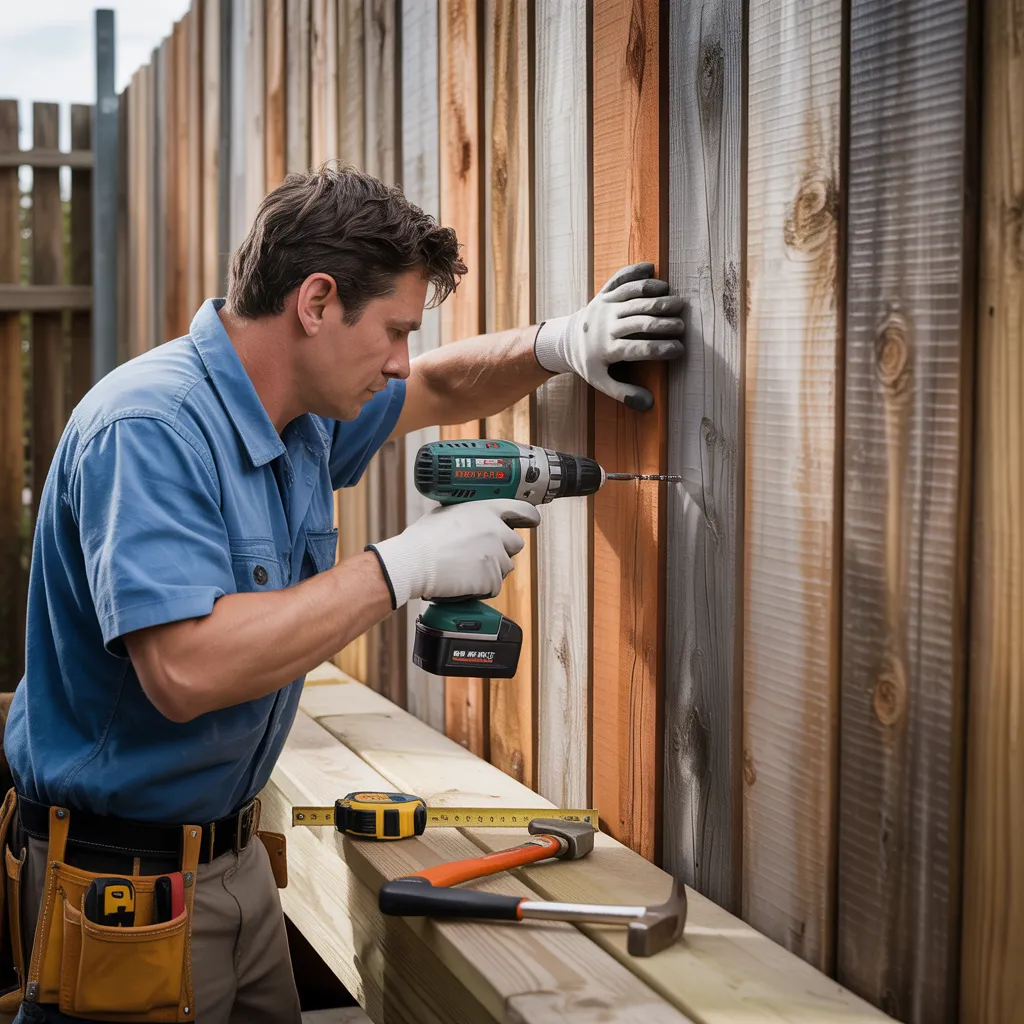
Why Fencing Is Important for Home Security and Privacy
Fencing functions as a critical barrier in creating home security and privacy. By forming a distinct boundary, it discourages unwanted intrusions and enhances the sense of safety for homeowners. A properly built fence not only limits access to the property but also serves as a visual deterrent, communicating to potential intruders that the property is protected.
Moreover, fencing supports privacy by restricting the view from outside, permitting homeowners to appreciate their outdoor spaces without feeling vulnerable. This benefit is particularly valuable in densely populated neighborhoods where houses are in close quarters.
Moreover, high-quality fencing has the potential to boost property value, as potential buyers frequently place a high importance on security and privacy. Residents also enjoy the comfort of knowing their private space is sufficiently secured. Ultimately, fencing represents a core component of home security and privacy, offering both functional and decorative value.
What Fencing Material Is Ideal for My Home?
When choosing the optimal fencing material for home protection and privacy, several options offer unique benefits. Wood fencing offers a traditional appearance and organic appeal, while vinyl fencing provides low maintenance and resilience. Metal fencing, on the other hand, offers exceptional durability and robustness, establishing it as a top choice for lasting security.
Advantages of Wood Fencing
When considering the wide range of fencing materials, wood distinguishes itself through its exceptional combination of beauty and real-world utility. It delivers a classic elegance that can suit a wide range of home styles, enhancing the overall curb appeal of a property. Wood fencing is also remarkably versatile, enabling property owners to pick from various heights, designs, and finishes to suit their preferences. Additionally, wood is an eco-friendly resource, making it a responsible choice for the environment. Its built-in thermal characteristics deliver modest sound insulation and temperature management, fostering a peaceful living space. With consistent care, wood fencing can be durable and withstand various weather conditions, offering long-term security and privacy for homeowners. Consequently, wood fencing stands as a compelling and practical option for strengthening and beautifying property perimeters.
Advantages of Vinyl Fencing
Vinyl fencing provides many benefits that make it a popular selection for homeowners looking for both protection and curb appeal. This material is highly durable, built to resist the elements, and will not warp, rot, or lose its color with age, guaranteeing a durable and reliable solution. Its low maintenance requirements are another significant benefit, as it typically only needs occasional cleaning with soap and water. Vinyl fencing is available in various styles and colors, giving homeowners the freedom to tailor their outdoor environment while improving the overall look of their home. Additionally, it provides excellent privacy, as solid panels work efficiently to obscure sightlines from neighbors. With its combination of strength, style, and minimal upkeep, vinyl fencing stands out as a practical option for modern residences.
The Durability of Metal Fences
Metal fencing is celebrated for its remarkable durability, making it a top choice for homeowners prioritizing long-term security and maintenance efficiency. Resistant to rot, pests, and extreme weather conditions, metal fences often outlast other materials, such as wood or vinyl. Steel and aluminum, the most widely used metal fencing materials, offer strength and stability, ensuring they remain intact over time. Moreover, numerous metal fences include protective coatings designed to resist rust and corrosion, thereby increasing their overall longevity. While the initial investment may be higher than other materials, the durability and minimal upkeep needs make metal fencing an economical choice over time. In summary, metal fencing proves to be an excellent choice for those who desire both security and lasting performance.
Finding a Fencing Style That Suits Your Home's Design
Picking a fence style that aligns with a home's design is essential for ensuring architectural harmony. Property owners must evaluate how different materials can improve or diminish their property's visual appeal. Thoughtful material selection not only promotes curb appeal but also affects longevity and performance.
Architectural Cohesion Factors
Architectural cohesion improves the overall aesthetic of a property, making it critical to choose a fence design that matches the home's design. A carefully chosen fence can complement structural characteristics, hues, and garden design, highlighting the residence's unique appeal. For instance, a contemporary home may benefit from clean, streamlined fence designs, while a classic residence might be best served by classic picket or wrought iron styles. Additionally, accounting for the measurements and ratios of the property and its fencing ensures visual balance. This thoughtful selection not only enhances the residence's visual charm but also increases its overall property value. Ultimately, a harmonious fence blends naturally with the overall design, establishing a balanced and appealing setting for homeowners and guests alike.
Why Material Selection Matters
Choosing the right materials for fencing greatly influences both performance and curb appeal. Homeowners should consider several material choices, such as wood, vinyl, aluminum, and wrought iron, all of which provide distinct advantages. Wood provides a classic look that can be customized, while vinyl is low-maintenance and resistant to weathering. Aluminum offers durability and security without the weight of wrought iron, which is known for being both refined and sturdy. The chosen material ought to complement see the facts the property's design while fulfilling essential requirements such as privacy and security. Moreover, the surrounding climate can influence how long materials remain effective, making it essential to choose wisely. At the end of the day, choosing wisely improves both the aesthetic cohesion and functional value of the property.
Advantages of Privacy Fencing
Although many homeowners prioritize aesthetic appeal in their outdoor areas, the benefits of privacy fencing extend far beyond mere looks. Privacy fencing acts as an essential shield against unwanted observation, forming a sheltered space that boosts comfort and protection. It significantly minimizes noise from nearby surroundings, leaving outdoor environments more serene and relaxing. Additionally, privacy fencing can serve as a protective shield for gardens and landscaping, deterring animals and unwanted visitors.
In addition, such fencing has the potential to raise property value by enhancing the overall aesthetics and functionality of the home. It further promotes a sense of privacy and personal space, enabling families to engage in outdoor activities without feeling vulnerable. The ideal privacy fence can harmonize with the home's architecture while delivering key security benefits. Ultimately, choosing to invest in privacy fencing not only boosts aesthetic appeal but also substantially improves a homeowner's peace of mind and overall quality of life.
Fencing Local Regulations
When exploring fencing choices for home security and privacy, homeowners need to understand local regulations that govern design and installation. These regulations can vary markedly by municipality, often addressing placement guidelines, height restrictions, and material specifications. Property owners are usually required to acquire permits prior to installing a fence, especially if it exceeds a certain height or is made from non-standard materials.
Furthermore, community organizations may impose their own regulations, which can further influence design decisions. It is important to examine regional zoning ordinances and property boundaries to eliminate disagreements with adjacent homeowners and confirm conformity. Overlooking these requirements can bring about financial consequences or the obligation to demolish an improperly installed fence. By educating themselves about community regulations, property owners can develop thoughtful strategies that improve both safety and visual appeal without compliance issues.
How to Budget for Your Fencing Project
Creating a budget for a fence installation demands thorough planning and attention to multiple factors. Property owners should begin by identifying the full length of fencing required and the desired fencing material, as prices can differ significantly among materials such as wood, vinyl, and metal. Next, they must account for additional expenses, including installation labor, required permits, and essential tools.
It's equally important to account for the possible requirement for site preparation, such as cutting back vegetation or evening out the ground. Property owners should collect estimates from multiple contractors to secure the best possible price and take advantage of any seasonal promotions that may be available.
In addition, reserving a reserve fund, generally 10-15% of the entire budget, can help manage unforeseen expenses. By thoroughly considering these components, people can create a practical budget that aligns with their desired fencing outcomes while strengthening their residence's protection and privacy.
Care Tips for Long-Lasting Fencing
Once a budget has been set and the appropriate materials have been chosen for a fencing project, homeowners should focus on maintenance to guarantee their investment lasts. Consistent inspections are vital; checking for signs of rot, rust, or damage can prevent more extensive repairs. For wooden fences, applying a protective sealant every few years helps shield against moisture and pests. Periodic cleaning of metal fences to eliminate dirt and grime is important, along with inspecting for corrosion that might necessitate repainting. Additionally, keeping vegetation trimmed away from the fence line reduces moisture retention and prevents root damage. For vinyl fencing, a simple wash with soapy water can maintain its appearance. Ultimately, handling small repairs in a timely manner will help prolong the fence's overall lifespan. By sticking to these upkeep recommendations, homeowners can maintain a fence that is both practical and attractive for years ahead.
Upgrading Fencing With Intelligent Security Features
Incorporating intelligent security elements into fencing not only enhances safety but also elevates the functionality of outdoor spaces. Modern advancements in technology have made it possible to incorporate components such as surveillance cameras, motion sensors, and smart locks directly into fencing installations. These capabilities give homeowners immediate alerts along with the ability to manage and observe their property from any location.
Motion sensing devices can pick up on abnormal movements, triggering instant notifications to homeowners' smartphones. Security cameras built into the fencing system are able to record high-quality footage, helping to deter potential intruders. Furthermore, smart locks on gates allow for keyless entry and can be controlled via mobile apps, providing convenience and security.
Furthermore, intelligent fencing systems can be linked to residential automation platforms, allowing for smooth compatibility with surrounding security elements. Thanks to these advancements, property owners can benefit from greater peace of mind while additionally introducing an element of sophistication to their open-air surroundings.

Questions We Often Receive
How Long Does a New Fence Installation Take?
The process of installing a new fence usually spans one to three days, based on factors including material choice, overall length, and ground conditions. Both weather conditions and local regulations may impact the total time needed for completion.
Can I Put Up a Fence Myself, or Should I Hire a Professional to Do It?
Homeowners are able to handle fence installation independently if they acquire the essential knowledge and equipment; however, hiring a professional provides expertise, efficiency, and compliance with local regulations, ultimately resulting in a more dependable and visually appealing outcome.
What Is the Expected Lifespan of Different Types of Fencing Materials?
The typical longevity of fencing materials can vary widely: wood has an average lifespan of 10-15 years, vinyl offers a lifespan of 20-30 years, metal typically ranges from 30-50 years, while composite materials provide durability comparable to wood yet frequently exceed its lifespan.
How Can Weather Conditions Impact the Lifespan of Your Fence
Climatic factors heavily influence fence longevity; strong UV rays can distort fencing materials, while high levels of moisture often cause rot or corrosion. Routine upkeep can help reduce these issues, prolonging the lifespan and integrity of various fencing options.
Are There Eco-Friendly Fencing Options Available?
Indeed, numerous environmentally friendly fencing choices are available, including sustainably sourced wood, bamboo, and recycled materials. These materials not only minimize environmental impact but also offer aesthetic appeal and durability, making them ideal selections for environmentally aware homeowners.